Tips and Tricks for Saving While Repairing Your Home

Taking on the responsibility of keeping a home in good shape can often feel like a constant balancing act between necessity and expense. Every house develops wear and tear over time, from minor leaks to major structural demands. The key to staying within a reasonable budget is understanding how to approach each project strategically. Rather than reacting in a panic when something goes wrong, homeowners can save significant sums by adopting a proactive, informed, and organized strategy. Navigating the world of home repairs requires a mix of self-reliance, smart purchasing, and knowing precisely when to delegate tasks to skilled professionals.
Proper planning begins long before any tools are picked up or any contractors are called. By establishing a dedicated emergency repair fund, keeping detailed logs of past maintenance, and routinely inspecting every corner of the property, you can catch small issues before they escalate into high-cost disasters. Moreover, taking the time to research prices, learn fundamental troubleshooting skills, and negotiate terms will keep your wallet intact. The following guidance provides comprehensive actionable ways to handle repairs across all areas of the home while ensuring your hard-earned money is spent as efficiently as possible.
Conducting Thorough Seasonal Inspections
Preventative care is always cheaper than emergency intervention. Creating a routine checklist for spring, summer, fall, and winter allows you to discover minor defects early. Look for loose shingles, cracked foundation sealant, peeling paint, or slow drainage in sinks. Catching a tiny flaw in your weather stripping before winter can save hundreds of dollars on heating bills, just as clearing debris from gutters prevents catastrophic water damage.
Distinguishing Between DIY Tasks and Professional Jobs
One of the largest money sinks in home maintenance is attempting a complex repair without the necessary skills, only to pay extra for a expert to fix the mistake. Simple tasks like painting trim, changing air filters, replacing cabinet hardware, or patching small drywall holes are ideal for self-performance. However, complex system repairs or tasks involving high risk require certified expertise to maintain safety and preserve property value.
Cost-Effective Exterior and Structural Maintenance

The exterior of your house serves as the primary shield against weather and environmental hazards. Keeping this protective shell in peak condition is vital for preventing structural damage, but exterior projects often carry hefty price tags. By focusing on targeted repairs rather than full structural replacements, you can drastically reduce your overall outlay while keeping the building sound.
Maximizing Roof Longevity Through Targeted Care
Replacing an entire overhead structure is one of the most expensive projects a homeowner can face. You can avoid early replacement by inspecting the upper structure twice a year from the ground using binoculars. Look for missing, curled, or damaged shingles, particularly after severe weather events. Promptly replacing individual damaged sections rather than delaying care extends the lifespan of the entire roof. When major work becomes inevitable, getting multiple estimates from local roofers guarantees you receive fair market pricing without compromising on quality materials or warranties.
Maintaining Underground Utilities and Waste Systems
Subsurface infrastructure is often out of sight and out of mind until a major failure occurs. Keeping drain lines, waste tanks, and freshwater supply lines clear prevents costly environmental cleanup fees and emergency excavation expenses. Practicing good habits, such as never flushing non-degradable items down toilets and placing grease traps on kitchen sinks, keeps waste flowing smoothly.
Scheduling routine septic pumping every three to five years clears out accumulated sludge and prevents complete system backing up into the home. Ignoring routine maintenance on waste management setups can degrade the drain field, leading to catastrophic failure that necessitates an entirely new septic installation at immense cost.
Property owners relying on self-contained groundwater systems must pay equal attention to supply infrastructure. Inspecting storage pressure tanks, monitoring water pressure, and scheduling regular water well services ensures clean drinking water and prevents sudden pump failure. Early detection of pump strain or electrical faults saves thousands compared to emergency well drilling.
Managing Environmental and Fuel Storage Safeguards
For homes that utilize localized heating systems powered by liquid fuel, maintaining the safety and structural integrity of containment units is crucial. Aging fuel containers present silent hazards that can leak hazardous materials into surrounding soil, triggering massive environmental remediation expenses.
Arranging for professional oil tank testing helps identify internal corrosion or minor structural weaknesses before leaks happen. Identifying tank decay early lets you plan for an orderly replacement rather than facing thousands of dollars in emergency environmental cleanup.
Smart Strategies for Indoor Mechanical Systems

The interior mechanical systems of a house deliver comfort, sanitation, and safety. Because these systems are interconnected, a issue in one area can quickly affect another. Managing electrical, plumbing, and climate control assets requires a balanced approach of regular user care and timely professional servicing.
Optimizing Climate Control Efficiency
Heating and cooling equipment consumes a massive portion of a household budget. Ensuring your system operates efficiently keeps monthly utility bills low and postpones costly system overhauls. Regularly changing furnace filters, cleaning duct registers, and keeping outdoor condenser units clear of leaves and debris prevents unnecessary strain on the equipment.
Annual tune-ups conducted by professional HVAC contractors optimize system performance, identify worn parts before they fail completely, and keep energy usage low. Requesting off-season servicing, such as servicing heating units in late spring or cooling units in autumn, often yields discounted rates from service technicians looking to fill open slots on their schedules.
Preventing Major Plumbing Disasters
Water damage is among the most destructive issues a house can suffer. Small drips under sinks or slowly leaking toilet valves may seem insignificant, but over time they rot subfloors, promote mold growth, and waste thousands of gallons of water.
Performing basic plumbing repair tasks, such as swapping out worn rubber washers, replacing flappers, or installing new faucet cartridges, is well within the capability of most homeowners. Addressing small drips immediately eliminates water waste and protects underlying floor structures from expensive water damage.
For deeper mainline blockages or persistent main drain slowdowns, attempting to force toxic chemical drain openers down pipes can erode older plumbing materials and create safety risks. Calling a dedicated Drain Service ensures clear wastewater pipelines without degrading internal pipe walls or damaging fixture finishes.
Prioritizing Electrical Safety and System Upgrades
Updating electrical distribution panels, replacing outdated outlets, or wiring new fixtures can be incredibly dangerous for untrained individuals. While changing decorative light switch plates or installing a ceiling fan on existing wiring can be done safely by an attentive homeowner, main system work demands specialized expertise.
Enlisting licensed electrical contractors ensures that all power distribution setups meet modern safety codes and load demands. To save money, bundle multiple electrical tasks into a single service visit. Having an electrician fix several outlets, install a new breaker, and wire a fixture in one trip eliminates repeated service call fees.
Managing Costs During Renovations and Moves

Major home changes, whether remodeling a kitchen or transitioning between properties, present substantial opportunities for budget overruns. By managing logistically heavy projects carefully, you can protect your financial plan from unexpected fees.
Navigating Transitions Efficiently
When home repairs are tied to buying, selling, or relocating, moving logistics can consume a huge part of your budget if not managed carefully. Packing your own belongings, purging unwanted items prior to packing, and choosing midweek move dates reduces overall labor hours and vehicle rental rates.
Comparing rates among professional moving services allows you to secure competitive prices while ensuring your furniture and personal items are safely transported. Booking transportation well in advance prevents last-minute surge pricing and ensures availability during peak moving seasons.
Sourcing Materials without Overspending
A significant portion of any repair or renovation budget goes toward raw materials, tools, and fixtures. You can drastically cut costs by sourcing materials intelligently rather than purchasing everything brand new from high-end retail stores.
- Visit architectural salvage yards, habitat restores, and surplus outlets to find high-quality lumber, doors, cabinets, and light fixtures at a fraction of retail prices.
- Buy builder-grade materials for hidden components like framing lumber, insulation, and underlayment, reserving specialty budgets for visible finish materials.
- Rent specialized, single-use tools like tile saws, floor sanders, or power augers from local hardware stores instead of buying expensive machinery you will rarely use again.
- Purchase paint during major holiday sales events, or check home center return counters for mistinted paint cans that can be used as primer or interior coat layers.
- Trade extra materials with neighbors or join community online groups where homeowners swap leftover tiles, bricks, and hardware from their own finished projects.
Mastering Negotiation and Contract Execution
When hiring professionals for home upkeep, clear communication and sharp negotiation skills are your best financial protection. Never settle on the first quote you receive, and never agree to work without a written contract.
- Always obtain at least three detailed quotes for any job requiring specialized labor to establish a fair benchmark for local labor and material pricing.
- Request itemized estimates that break down expenses into labor, material, permit fees, and overhead, making it easier to spot unnecessary charges.
- Ask if offering flexible start dates or working during a contractor’s slow period can result in a discounted labor rate.
- Negotiate payment schedules tied strictly to project milestones rather than paying large sums upfront, ensuring the work progresses satisfactorily before final funds are released.
- Verify that all service providers carry proper liability insurance and local licenses to protect yourself from financial liability in the event of an accident on your property.
Developing Long-Term Savings Habits

Saving money on home upkeep is not a one-time event; it is an ongoing practice that requires consistency and patience. The most financially sound homeowners treat their properties as long-term investments, continuously building up knowledge and funds to handle maintenance systematically.
Building a Dedicated Emergency Repair Fund
Unexpected breakdowns are an inevitable part of property ownership. Setting aside a specific monthly contribution into a dedicated repair account ensures that when a water heater leaks or a window breaks, you can address the issue immediately without relying on high-interest credit cards or loans.
A solid goal is to save between one and two percent of your home’s total value each year specifically for maintenance and repairs. Having cash readily available gives you strong leverage to negotiate cash discounts with local service providers who appreciate immediate payment.
Investing in Quality Tools and Basic Education
While major specialized tasks should be left to certified experts, building a reliable home toolkit and learning basic carpentry, plumbing, and electrical concepts pays massive dividends over a lifetime of homeownership.
- Purchase high-quality basic hand tools, including a sturdy hammer, screwdrivers, adjustable wrenches, a digital multimeter, and a reliable level.
- Invest in a versatile cordless drill driver set, which makes simple tasks like securing loose deck boards, hanging shelving, and assembling fixtures quick and effortless.
- Watch instructional videos produced by verified trade professionals before starting any basic repair project to learn proper techniques and safety precautions.
- Practice basic maintenance procedures on minor items, such as replacing lawnmower oil or recaulking a bathtub, to build confidence for larger home projects.
- Learn the location of all main utility shutoff valves and electrical breaker panels so you can act instantly in an emergency to prevent extensive property damage.
Reducing Utility Overhead Through Smart Efficiency Upgrades
Lowering your daily operational costs frees up money that can be funneled directly into your home repair and maintenance fund. Many energy efficiency upgrades are inexpensive to perform but deliver continuous financial returns.
Installing programmable thermostats allows you to automatically adjust indoor temperatures based on your daily schedule, preventing wasted energy when no one is home. Sealing air leaks around windows and doors with fresh caulk and weatherstripping keeps warm air inside during winter and cool air inside during summer, reducing overall load on your climate control units.
Upgrading old light fixtures to energy-efficient LED bulbs cuts electricity usage significantly while eliminating the need for frequent bulb replacements. Additionally, installing low-flow aerators on kitchen and bathroom faucets cuts water consumption without sacrificing water pressure, leading to lower monthly utility bills year-round.
Keeping Your Property Safe and Value-Focused
Maintaining a home on a tight budget does not mean cutting corners or ignoring safety regulations. Skimping on essential safety equipment or skipping necessary permits can lead to severe financial penalties, voided insurance coverage, and dangerous living conditions.
Prioritize repairs that protect the structural integrity and basic safety of your property above cosmetic enhancements. A fresh coat of paint or modern kitchen backsplash will not protect your investment if the roof is leaking or the electrical panel is overloaded.
By systematically evaluating your property’s needs, learning core maintenance skills, negotiating wisely with professional service providers, and maintaining a disciplined financial reserve, you can keep your living space safe, comfortable, and beautiful without breaking the bank. Smart management, patience, and proactive care remain the ultimate tools for any cost-conscious homeowner looking to maximize property value while minimizing repair expenses.
 Home Projects That Demand Professional Skills
  Tips and Tricks for Saving While Repairing Your Home
 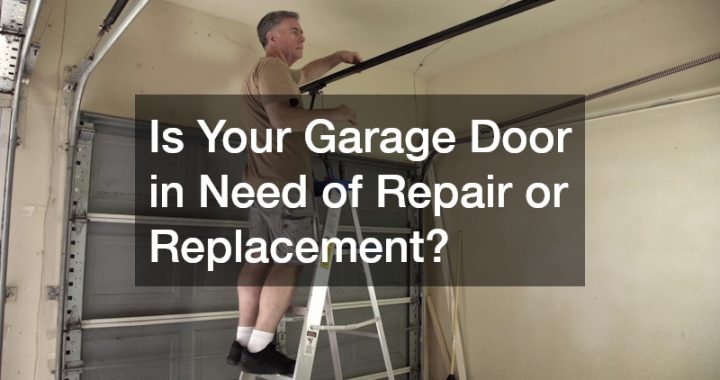 Is Your Garage Door in Need of Repair or Replacement?
  Property Maintenance Tips That Save You Money