Improving Property Value Through Repairs and Upgrades
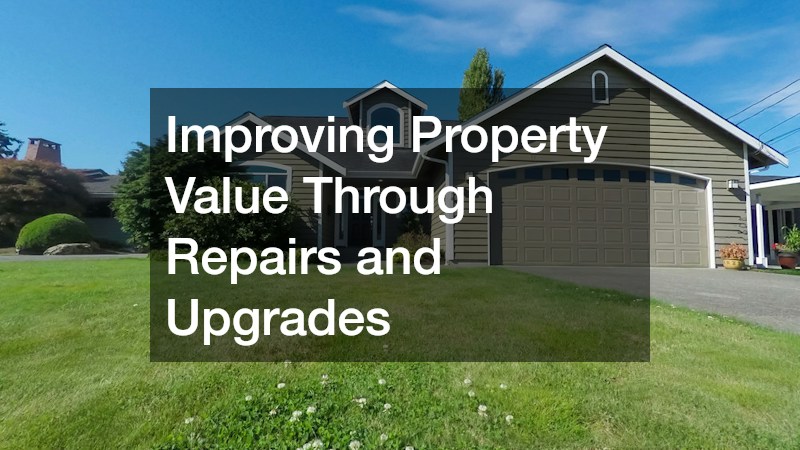
A property’s value is influenced by more than its location and square footage. Its condition, functionality, appearance, and maintenance history can all affect how owners and potential buyers perceive it. While cosmetic improvements can make a home more attractive, addressing aging systems and necessary repairs is equally important. A fresh exterior cannot compensate for recurring plumbing problems, unreliable heating, or damaged fixtures.
Before starting a renovation, homeowners should evaluate the property’s current condition and identify which improvements will provide the greatest practical benefit. Some projects may involve correcting existing problems, while others focus on making rooms more comfortable, efficient, or appealing.
A realistic budget, a manageable project schedule, and qualified professional assistance can help keep the work on track. By approaching improvements strategically, you can protect your investment, reduce ongoing maintenance concerns, and create a property that better meets the needs of current and future occupants.
Establish a Realistic Renovation Budget Before Starting Work

A successful improvement project begins with understanding what the property needs and how much you can reasonably spend. Before purchasing materials or hiring contractors, inspect the home and separate necessary repairs from optional upgrades. Addressing underlying problems first can help prevent cosmetic improvements from having to be redone later.
For investors purchasing properties that need substantial work, a fix and flip loan may be one financing option to investigate. Compare available terms carefully and consider how the cost of borrowing affects the project’s overall budget and potential return.
Create a detailed estimate that accounts for:
- Labor and materials: Obtain written estimates for each major project.
- Permits and fees: Determine whether planned work requires approvals.
- Unexpected repairs: Set aside money for problems discovered during construction.
- Project priorities: Address safety and essential system repairs before decorative changes.
- Financing costs: Review interest, fees, repayment schedules, and other obligations.
Compare anticipated expenses with the property’s condition and realistic market expectations. A carefully planned budget helps prevent unnecessary spending and keeps improvements focused on the home’s actual needs.
Improve Exterior Appearance With Consistent Cleaning and Maintenance
The exterior creates the first impression of a property. Dirty siding, stained walkways, and accumulated grime can make a home appear neglected, even when its interior is well-maintained. Regular cleaning can refresh suitable surfaces and help homeowners identify areas that need additional attention.
A pressure washing service may be useful for cleaning certain exterior materials, including concrete, masonry, siding, and outdoor living areas. However, not every surface can withstand the same pressure. Wood, painted finishes, and delicate materials may require gentler methods to avoid damage.
Before arranging exterior cleaning, consider these steps:
- Inspect surfaces for loose paint, cracks, damaged joints, or deteriorating materials.
- Identify the appropriate cleaning method for each surface.
- Move outdoor furniture, decorations, and other vulnerable belongings.
- Protect nearby plants and electrical components.
- Ask about cleaning solutions and procedures before work begins.
Cleaning should complement, not replace, necessary repairs. Once surfaces are clear of dirt and buildup, it may be easier to identify areas that need painting, sealing, or other improvements. Consistent exterior care can help maintain a welcoming appearance.
Address Hidden Plumbing Problems Before They Damage the Property
Plumbing problems can affect a property’s condition without being immediately visible. A slow drain may seem like a minor inconvenience, but recurring blockages or unusual drainage behavior can point to a larger issue. Ignoring these warning signs may lead to more extensive repairs and damage to surrounding areas.
Clogged sewers deserve particular attention because they can affect multiple fixtures and interfere with normal household routines. Homeowners should watch for patterns rather than treating every blockage as an isolated problem.
Potential warning signs include:
- Several drains slowing down around the same time.
- Gurgling sounds coming from toilets or drains.
- Water backing up into sinks, tubs, or other fixtures.
- Persistent unpleasant odors near drains.
- Repeated blockages after temporary clearing.
If these symptoms occur, arrange a professional evaluation to identify the cause. Avoid relying on repeated temporary solutions without understanding what is happening inside the drainage system. A qualified technician can determine whether the problem involves a localized blockage, damaged piping, or another concern. Addressing the underlying issue can help protect floors, walls, and other parts of the property.
Explore Repair Options That Extend the Life of Existing Drain Lines
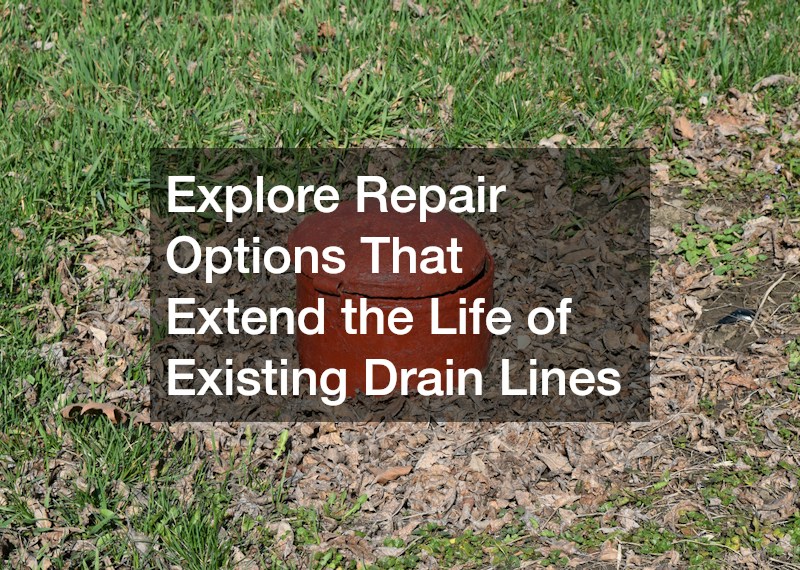
Damaged or aging drain lines can create recurring maintenance problems. Depending on the location and condition of the pipe, repairing the existing line may be possible without replacing the entire section. Homeowners should understand the available options before approving work, particularly when the affected piping is underground or difficult to access.
Drain pipe lining is one method that may be suitable for certain damaged pipes. It involves installing a lining within an existing pipe, but it is not appropriate for every situation. A professional evaluation is necessary to determine whether the pipe can accommodate this type of repair.
Before choosing a solution, ask the contractor:
- What caused the damage?
- Is the existing pipe suitable for lining?
- What preparation or cleaning is required?
- Would excavation or conventional replacement be more appropriate?
- What limitations or maintenance requirements should you understand?
Request a clear explanation of the proposed work, including its expected scope and cost. Compare recommendations based on the actual condition of the pipe rather than assuming one repair method is always preferable. A suitable solution can help restore drainage function and reduce the likelihood of recurring problems.
Work With Qualified Professionals to Plan Plumbing Improvements
Plumbing projects can involve concealed pipes, water connections, drainage systems, and fixtures that require specialized knowledge. Even seemingly straightforward repairs may reveal additional concerns once work begins. Hiring an appropriately qualified professional can help homeowners understand the problem and select a suitable solution.
A plumbing company may assist with leak repairs, fixture installations, pipe upgrades, drainage concerns, and plumbing work associated with larger renovations. Before hiring a contractor, explain the issue clearly and request an evaluation rather than relying on a cost estimate based on limited information.
When comparing professionals, consider:
- Licensing, insurance, and relevant experience.
- Familiarity with the type of repair or installation required.
- Written estimates detailing labor and materials.
- Expected project timelines and possible disruptions.
- Procedures for handling unexpected problems.
Ask whether the contractor will obtain any necessary permits and explain how completed work will be documented. If plumbing improvements are part of a bathroom or kitchen renovation, coordinate the schedule with other trades to avoid unnecessary delays. Keep invoices, product information, and repair records after the project is finished.
Schedule Systematic Evaluations to Catch Problems Early
Waiting until a pipe leaks or a fixture stops working can make maintenance more difficult. Periodic evaluations give homeowners an opportunity to identify visible problems and determine whether additional repairs are needed.
Plumbing inspections can help assess exposed piping, fixtures, drainage performance, and signs of moisture. They may also be useful before purchasing a property, beginning a major renovation, or preparing a home for sale.
Pay attention to areas such as:
- Exposed pipes and visible connections.
- Faucets, toilets, and other frequently used fixtures.
- Water pressure and drainage performance.
- Cabinets, walls, and ceilings near plumbing.
- Areas surrounding water heaters and other equipment.
Ask the professional to explain any findings and distinguish between immediate repairs and items that can be monitored. Request written documentation so you have a record of the property’s condition and recommended next steps. Regular evaluations do not eliminate every plumbing problem, but they can help you make informed maintenance decisions before a minor concern develops into a larger project.
Upgrade Heating and Cooling Systems for Everyday Comfort

A property’s heating and cooling systems affect how comfortable and functional it is throughout the year. Uneven temperatures, unusual equipment noises, or inconsistent performance may indicate that a system needs attention. Buyers may also have concerns about equipment that appears poorly maintained or has an unclear service history.
Professional HVAC services can help homeowners evaluate existing equipment, identify maintenance needs, and determine whether repairs or replacement should be considered. The right recommendation depends on the system’s condition, the property’s layout, and the household’s heating and cooling requirements.
When evaluating equipment, consider:
- The age and maintenance history of the system.
- Whether different rooms maintain comfortable temperatures.
- Unusual sounds, odors, or changes in performance.
- Filter condition and routine maintenance requirements.
- Whether the equipment is appropriately sized for the property.
Have a qualified technician assess the system before committing to an expensive replacement. Ask for an explanation of the available options and the expected costs of each. Keep service records, equipment details, and warranty information together.
Maintain Specialized Heating Equipment With Professional Attention
Homes with oil-based heating systems have maintenance needs that should be addressed as part of the property’s overall upkeep. Equipment that has not received appropriate attention may develop operating problems or become less dependable.
Regular oil burner service can help address maintenance requirements and identify equipment concerns that need further attention. The appropriate service schedule depends on the equipment and its manufacturer’s recommendations, so homeowners should consult a qualified technician rather than relying on assumptions.
Before arranging service, consider the following:
- Find out when the burner was last professionally maintained.
- Describe unusual noises, odors, or changes in operation.
- Ask whether any components show signs of wear.
- Review the technician’s recommendations for future maintenance.
- Keep invoices and service records for reference.
Do not attempt to diagnose or repair technical burner problems yourself. A qualified professional can evaluate the equipment and explain which tasks are necessary. Reliable heating is an important part of a property’s usability, particularly during colder weather.
Improve Metal Features With Proper Materials and Skilled Workmanship
Metal features can contribute to both the appearance and functionality of a property. Gates, railings, fences, brackets, and other fabricated components may need repairs as they age or become exposed to weather.
For projects involving fabrication or metal repairs, welding supply services may be relevant to contractors who need appropriate materials and equipment. The supplies required depend on the type of metal, the intended application, and the work being performed.
Consider these points when planning metalwork:
- Identify whether an existing feature can be repaired or needs replacement.
- Confirm the material type and measurements before ordering supplies.
- Discuss appropriate finishes and corrosion protection.
- Check that fabricated pieces fit the intended location.
- Hire qualified professionals for structural or safety-related work.
Do not treat all metal repairs as simple cosmetic projects. Railings, gates, and supports may need to meet specific functional or safety requirements. A skilled fabricator can help determine the appropriate materials and workmanship for the project.
Replace Outdated Fixtures to Improve Functionality and Appeal

Bathrooms are frequently used spaces, so damaged or outdated fixtures can affect everyday convenience. A toilet that leaks, requires repeated repairs, or no longer functions properly may be worth replacing.
Before arranging toilet replacement, evaluate the existing fixture and surrounding area. A new toilet will not resolve an underlying plumbing leak or damage to the floor. Check the condition of the connections and the surface around the base before selecting a replacement.
Compare options by considering:
- Dimensions: Confirm that the new fixture fits the available space.
- Comfort: Consider height, bowl shape, and ease of use.
- Performance: Review flushing features and water-use information.
- Maintenance: Look for designs that are practical to clean.
- Appearance: Choose a style that complements the bathroom.
Ask whether installation requires changes to existing connections or additional repairs. Professional installation can help address fit and connection concerns. If you are updating other bathroom features, coordinate the work so the finished space feels cohesive.
Improving property value requires a balanced approach to appearance, functionality, and ongoing maintenance. While fresh finishes and attractive exterior features can make a strong impression, dependable plumbing, heating, and other essential systems are just as important. Homeowners should begin by identifying the property’s most pressing needs and creating a budget that accounts for both planned work and unexpected repairs.
Professional evaluations can help clarify which improvements are necessary and which upgrades can wait. Clear estimates, appropriate materials, skilled workmanship, and organized maintenance records also make renovation projects easier to manage. Rather than attempting to complete every improvement at once, prioritize projects according to their condition, purpose, and available budget. Consistent attention to repairs and thoughtful upgrades can make a property more comfortable for current occupants while preserving its appeal for future buyers.
 Is Your Garage Door in Need of Repair or Replacement?
 Property Maintenance Tips That Save You Money
 Building Your Family’s Dream Home: A Step-by-Step Guide
 Top Mistakes to Avoid with Air Conditioner Installation
 10 Key Home Renovations That Bring Families Together
 Improving Property Value Through Repairs and Upgrades
 Tips and Tricks for Saving While Repairing Your Home
 Home Projects That Demand Professional Skills